Homemade Ramen Noodles Recipe
Introduction
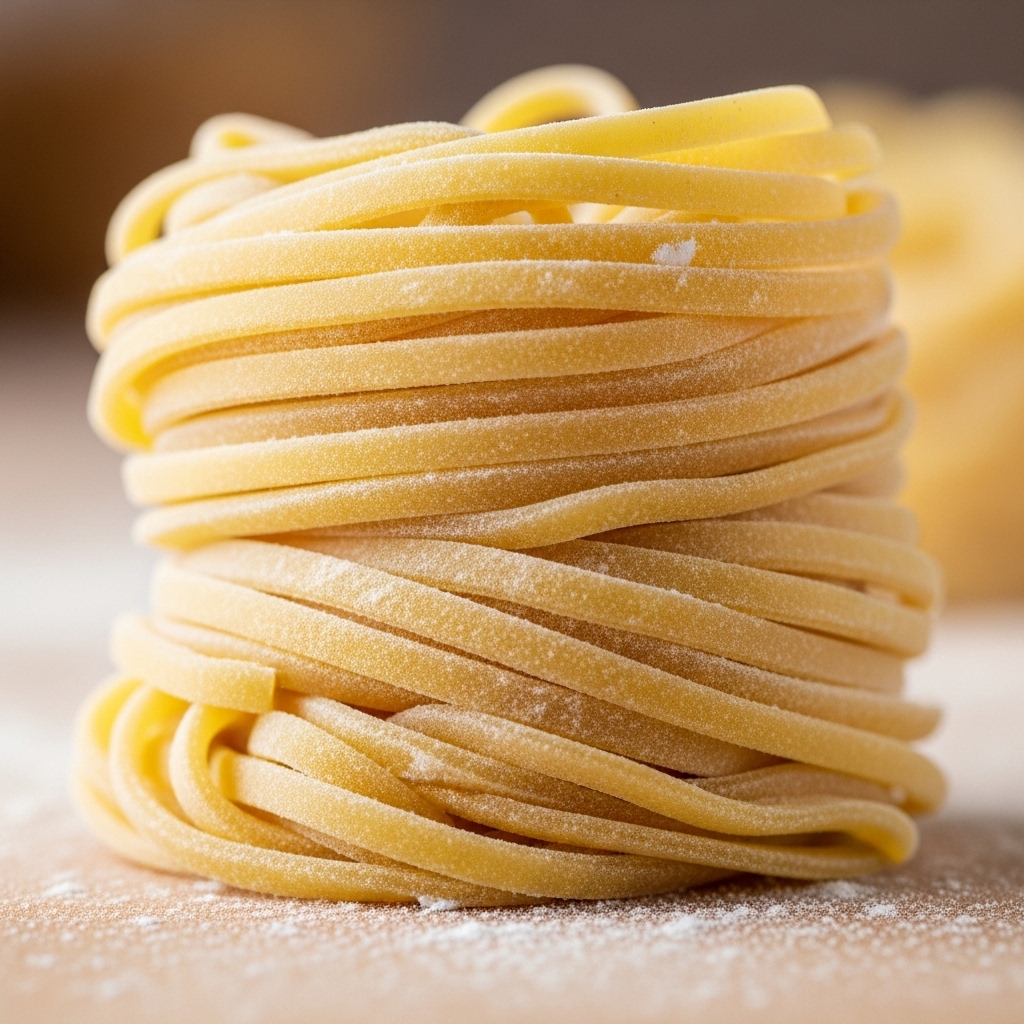
Making homemade ramen noodles is easier than you might think and results in fresh, chewy noodles perfect for your favorite ramen bowls. This simple recipe uses basic ingredients and a few straightforward steps to create authentic-tasting noodles that truly elevate any soup.
Ingredients
- 2 cups all-purpose flour
- 1/2 tsp salt
- 1/2 tsp baking soda
- 2/3 cup water
- Cornstarch for dusting
Instructions
- Step 1: In a large bowl, combine the flour, salt, and baking soda. Mix well to evenly distribute the baking soda and salt throughout the flour.
- Step 2: Slowly pour in the water while stirring continuously until a dough begins to form. The dough should be a little sticky but manageable.
- Step 3: Transfer the dough onto a floured surface and knead for about 5 minutes until it becomes smooth and elastic. This process helps develop gluten for the noodles’ chewiness.
- Step 4: Wrap the dough in plastic wrap and let it rest at room temperature for 30 minutes. Resting hydrates the flour fully and relaxes the gluten, making rolling easier.
- Step 5: After resting, roll the dough out as thin as possible. Use a sharp knife or pasta cutter to slice it into thin strips about 1/8-inch wide, which is the traditional ramen noodle size.
- Step 6: Lightly dust the noodles with cornstarch to prevent sticking, especially if you’re planning to cook them later rather than immediately.
- Step 7: Bring a large pot of water to a rolling boil. Add the noodles and cook for 3-4 minutes until tender but still firm to the bite. Drain and rinse under cold water to stop cooking.
Tips & Variations
- For added flavor, you can substitute half the water with warm soy sauce or add a pinch of turmeric for color.
- If you don’t have baking soda, you can substitute with kansui (alkaline water) for a more authentic ramen texture.
- Dust noodles with rice flour instead of cornstarch for a lighter coating that also prevents sticking.
- Use a pasta machine to roll and cut the dough if you want perfectly uniform noodles and to save time.
Storage
Uncooked noodles can be dusted with cornstarch, placed in an airtight container, and refrigerated for up to 2 days. For longer storage, freeze the noodles in a single layer on a baking sheet, then transfer to a freezer bag for up to 1 month. To reheat, cook frozen noodles directly in boiling water for 1-2 minutes longer than fresh noodles.
How to Serve
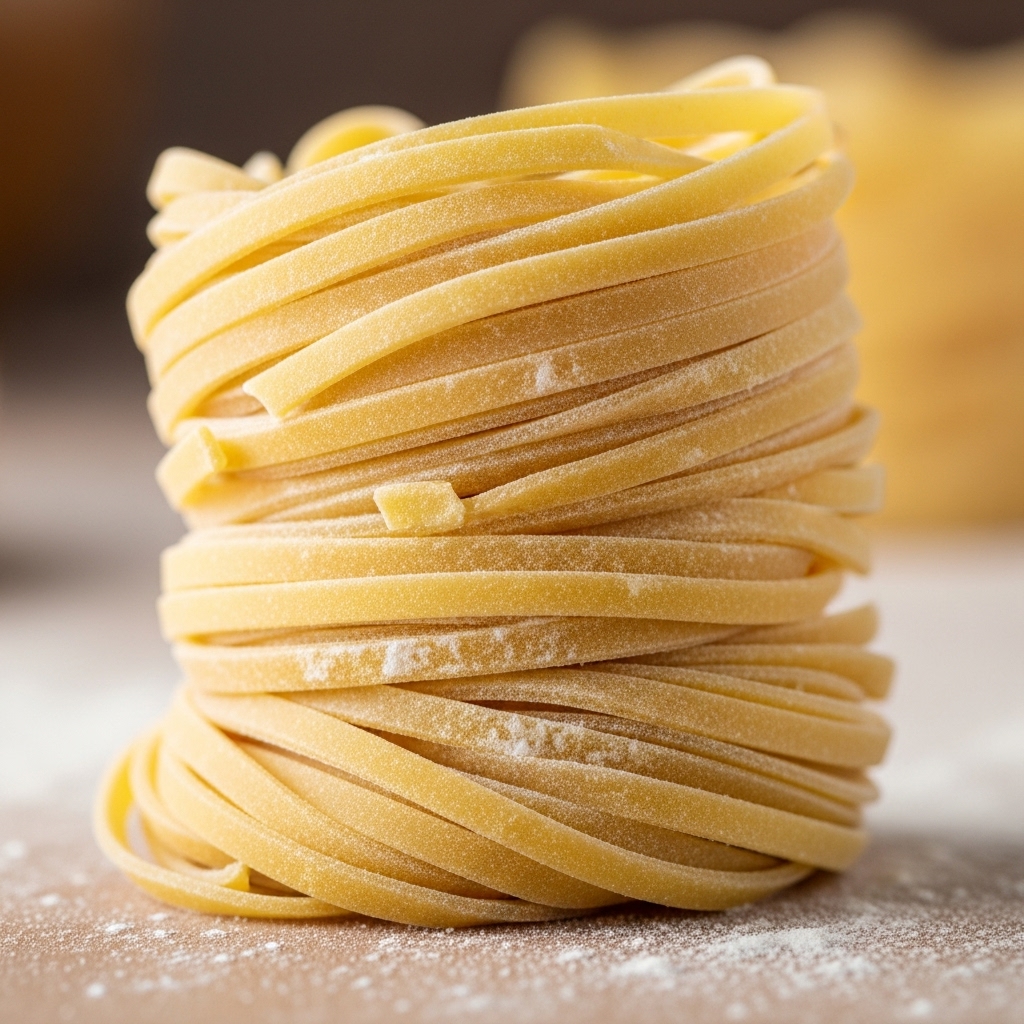
Serve this delicious recipe with your favorite sides.
FAQs
Can I use bread flour instead of all-purpose flour?
Yes, bread flour can be used and may yield chewier noodles due to its higher protein content, but all-purpose flour gives a good balance for ramen noodles.
Why is baking soda used in this recipe?
Baking soda raises the pH of the dough, giving ramen noodles their characteristic firm texture and slightly yellow color that mimics traditional kansui alkaline noodles.
PrintHomemade Ramen Noodles Recipe
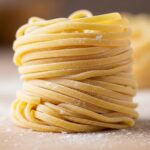
This Homemade Ramen Noodles recipe guides you through making fresh, chewy ramen noodles from scratch using simple pantry ingredients. Combining flour, salt, baking soda, and water, these noodles offer authentic texture and flavor. The dough is kneaded, rested, rolled out thinly, cut into strips, and cooked to tender perfection, making them ideal for your favorite ramen soups or stir-fries.
- Prep Time: 10 minutes
- Cook Time: 4 minutes
- Total Time: 44 minutes
- Yield: 4 servings 1x
- Category: Noodles
- Method: Stovetop
- Cuisine: Japanese
Ingredients
Dry Ingredients
- 2 cups all-purpose flour
- 1/2 tsp salt
- 1/2 tsp baking soda
Wet Ingredients
- 2/3 cup water
Other
- Cornstarch for dusting
Instructions
- Mix Dry Ingredients: In a large bowl, combine the flour, salt, and baking soda. Ensure they are well-mixed for even distribution of the baking soda and salt.
- Add Water Gradually: Slowly pour in the water, stirring continuously, until a dough begins to form. The dough should be slightly sticky but manageable.
- Knead the Dough: Transfer the dough onto a floured surface. Knead it for about 5 minutes until it becomes smooth and elastic. This develops the gluten, which gives the noodles their characteristic chewiness.
- Rest the Dough: Wrap the dough in plastic wrap and let it rest for 30 minutes at room temperature. This resting period allows the flour to fully hydrate and the gluten to relax, making it easier to roll out.
- Roll and Cut the Dough: After resting, roll the dough out as thin as possible. Use a sharp knife or a pasta cutter to slice it into thin strips about 1/8-inch wide, the traditional ramen noodle size.
- Dust with Cornstarch: Lightly dust the noodles with cornstarch to prevent them from sticking together, especially if not cooking immediately.
- Cook the Noodles: Bring a large pot of water to a rolling boil. Add the noodles and cook for 3-4 minutes until tender yet firm to the bite. Drain and rinse under cold water to stop the cooking process.
Notes
- Resting the dough is essential for easier rolling and better texture.
- Adjust water quantity slightly if the dough feels too dry or too sticky.
- Use a sharp knife or pasta cutter for even noodle thickness.
- Cornstarch dusting prevents noodles from clumping when stored or waiting to be cooked.
- Cook noodles fresh for best texture; if storing, keep dusted with cornstarch and refrigerated.
Keywords: homemade ramen noodles, ramen recipe, fresh noodles, Japanese noodles, how to make ramen noodles, scratch ramen, noodle dough